Optimize Your Gut Health: The Benefits of Fermented Foods and Homemade Probiotic Yogurt
Gut health plays an essential role in overall well-being. Recent studies highlight the impact of homemade probiotic yogurt and fermented foods on digestive processes and immunity. These nutritionally-dense choices can strengthen the balance of gut bacteria, cultivating a healthier microbiome. Learning how to incorporate these foods into daily life is essential. Yet, many continue to be uninformed about the specific benefits and methods involved. Exploring this topic can reveal valuable insights for enhancing personal wellness.
Grasping Gut Health and Its Significance
Gut health functions as a cornerstone of total well-being, influencing not only the digestive system but also immune system function and mental health. The gastrointestinal tract is populated by trillions of microorganisms, collectively known as the gut microbiome, which play a critical role in maintaining bodily functions. A balanced gut microbiome supports breaking down food, absorbing nutrients, and producing necessary vitamins. Moreover, it enhances the immune system, acting as a barrier against harmful microorganisms.
Scientific evidence demonstrates that gut health is connected to mood and cognitive functions, suggesting a bidirectional relationship between the gut and brain. Dysbiosis, or an imbalance of gut bacteria, can contribute to digestive disorders, autoimmune diseases, and even mental health issues like anxiety and depression. Consequently, understanding and prioritizing gut health is critical for overall health, emphasizing the need for lifestyle choices that support a healthy microbiome.
Understanding Fermented Foods
Foods that undergo fermentation are products developed through fermentation, where microorganisms such as bacteria, yeasts, or molds convert sugars and starches into acids or alcohol. This age-old method doesn't just enhance the flavors of foods but also maintains them, prolonging their shelf life. Common examples include yogurt, sauerkraut, kimchi, kefir, and kombucha. These foods often feature a characteristic tangy taste and a complex aroma that distinguishes them from their non-fermented counterparts.
Fermentation also enhances the nutritional profile of these foods, rendering them easier to digest and enriching them with bioactive compounds. Furthermore, fermented foods have earned recognition for their potential health benefits, especially regarding gut health. They are often associated with improved digestion and boosted immune function. In this way, including fermented foods into your diet can be a straightforward and powerful method to support overall well-being and foster a balanced gut microbiome.
The Scientific Basis of Probiotics
What renders probiotics crucial for maintaining a healthy microbiome? Probiotics are live microorganisms that provide health improvements when taken in sufficient amounts. They serve an crucial role in regulating the gut microbiota, which comprises trillions of bacteria that support digestion, immune function, and overall health. Scientific research has shown that probiotics can aid in restore gut flora, particularly after disturbances induced by antibiotics or illness.
These helpful microorganisms compete find now with destructive pathogens for available resources, effectively restricting their proliferation. Probiotics also produce short-chain fatty acids and other metabolites that support gut barrier integrity and reduce inflammation. Moreover, they have the ability to improve the uptake of essential nutrients and vitamins. Understanding the mechanisms by which probiotics interact with the gut microbiome highlights their significance in promoting digestive health and maintaining homeostasis within the gastrointestinal tract. This foundation sets the stage for exploring the subsequent benefits of incorporating fermented foods into one's diet.
Benefits of Adding Fermented Foods Into Your Eating Plan
Incorporating fermented foods into your diet provides notable gains for digestive wellness and immune function. These dietary items, packed with probiotics, can optimize digestive microbiome, promoting better digestion. Moreover, they may boost the natural defenses, enhancing overall well-being.
Enhanced Gut Health
The inclusion of fermented foods in one's diet can greatly enhance digestive health. These probiotic-rich foods assist in restoring the natural balance of gut bacteria, supporting effective digestion. By breaking down food more effectively, they can ease symptoms of bloating, gas, and discomfort. Additionally, fermented foods like yogurt, kefir, and sauerkraut can support nutrient absorption, ensuring that essential vitamins and minerals are effectively utilized by the body. Frequent consumption can also decrease the risk of gastrointestinal disorders, such as irritable bowel syndrome and constipation. On the whole, including fermented foods in daily eating can bring about improved gut function, elevating overall health and contributing to a healthier digestive system.
Improved Immunity
Although numerous factors impact immune health, the inclusion of fermented foods in the diet has been shown to considerably boost immune function. These foods, high in probiotics, lead to a well-balanced gut microbiome, which plays a crucial role in the body's immune response. The helpful bacteria contained in fermented products such as yogurt, kefir, and sauerkraut help manage immune activity, possibly reducing the frequency of infections and inflammatory diseases. Furthermore, fermented foods are often abundant in vitamins and antioxidants, which strengthen overall health and may aid the immune system. By regularly including these foods into daily meals, individuals can promote a more resilient immune system, ultimately leading to better well-being and a lower risk of illness.
Making Homemade Probiotic Yogurt: A Detailed Guide
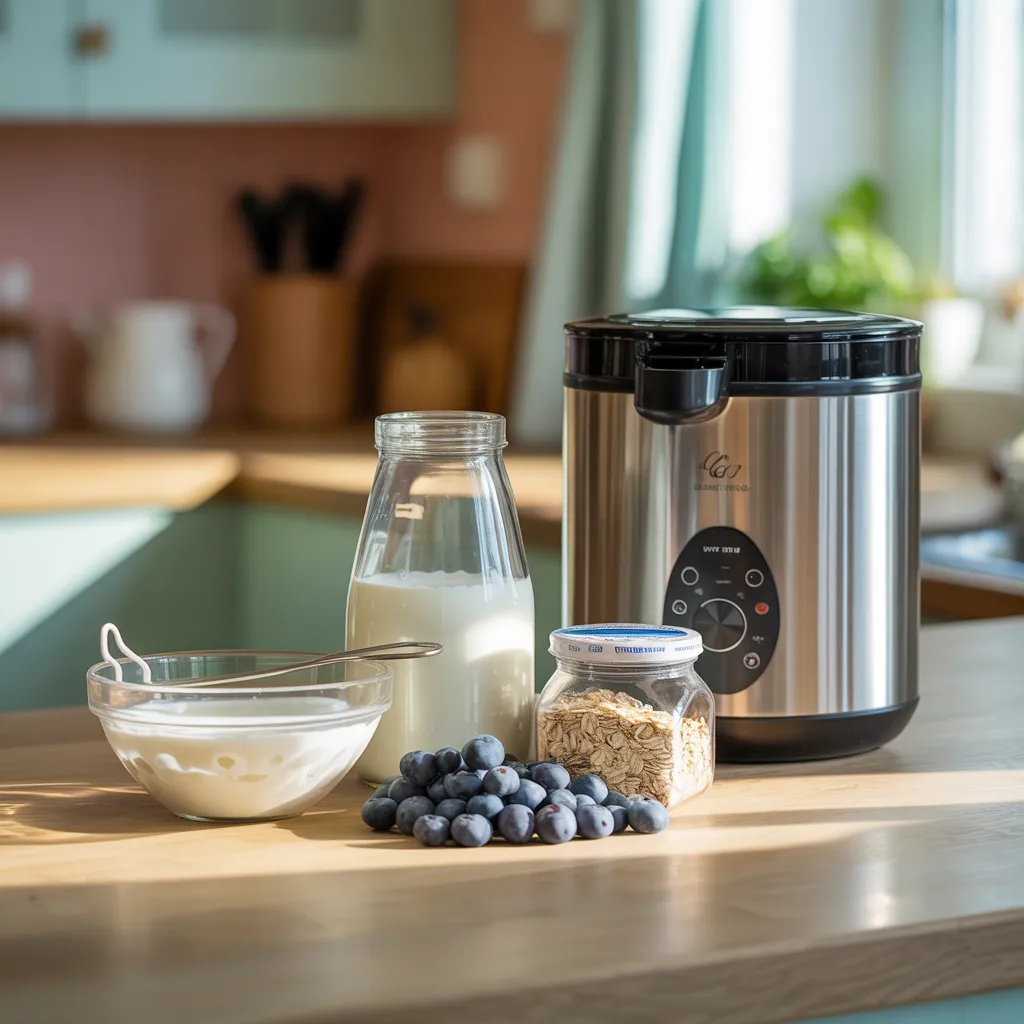
Creating your own probiotic yogurt presents a straightforward approach to boost intestinal health. Key ingredients and a clear preparation process are essential for success, along with tips on ideal fermentation time. This resource will detail the required elements and procedures to make a tasty and healthy yogurt in your kitchen.
Necessary Ingredients
Making probiotic yogurt at home requires a few essential ingredients that work together to grow beneficial bacteria. The key ingredient is milk, which can be whole, skim, or non-dairy alternatives like almond or coconut milk. The selection of milk affects the yogurt's texture and flavor. Next, a yogurt starter culture is vital; it contains live active bacteria, such as Lactobacillus bulgaricus and Streptococcus thermophilus, which ferment the milk. Additionally, temperature control is important, so having a thermometer confirms the milk is heated and maintained at the correct temperature for optimal fermentation. Sweeteners like honey or maple syrup can boost flavor, while optional flavorings, such as vanilla or fruit, can be added to tailor the yogurt to individual preferences.
Step-by-Step Setup
Creating probiotic yogurt at home entails a straightforward process that allows individuals to benefit from the positive effects of beneficial bacteria. First, one should heat milk to about 180°F (82°C) to destroy unwanted bacteria, then cool it to about 110°F (43°C). Once cooled, a starter culture featuring live active cultures is added, typically using purchased yogurt as a base. The mixture is thoroughly stirred to guarantee even distribution. Following this, the yogurt should be moved to a clean container, covered, and set in a warm environment for fermentation, where it will thicken and develop its distinctive tangy flavor. After fermentation, the yogurt can be stored in the refrigerator, ready to be enjoyed as a nutritious addition to your diet.
Tips for Fermentation Time
How long should fermentation take for ideal results? Homemade probiotic yogurt requires a fermentation period of 6 to 12 hours. The exact duration is determined by the preferred tartness and thickness. Higher temperatures generally speed up the fermentation process, while lower temperatures may extend it. It is recommended to inspect the yogurt regularly, especially after the initial 6 hours, to assess its development. Those who favor a milder taste should use shorter fermentation times, whereas extended times yield a tangier result. Moreover, sustaining a consistent temperature around 110°F (43°C) guarantees maximum bacterial activity. Post-fermentation refrigeration stops the process, improving the yogurt's flavor and texture for enjoyable eating.
Innovative Methods to Utilize Homemade Yogurt
Home-prepared yogurt typically works as a versatile ingredient in various culinary applications. It can be employed as a creamy base for salad dressings, providing both tang and probiotics to salads. By mixing yogurt with herbs and spices, one can develop flavorful dips, perfect for pairing with vegetables or whole-grain crackers. In baking, yogurt can replace oil or butter in recipes, adding moisture while reducing fat content.
In addition, it works beautifully in smoothies, offering a protein boost and a tangy flavor that complements fruits. Yogurt can also elevate soups and stews, offering a creamy texture without the heaviness of cream. For breakfast, it can be layered with fruits, nuts, and granola to create a nutritious parfait. Lastly, homemade yogurt can be frozen in molds, transforming it into a revitalizing treat during warmer months. These versatile uses demonstrate yogurt's adaptability in a health-conscious kitchen.
Guidelines for Maintaining a Optimal Gut Besides Fermented Foods
Besides adding yogurt and other fermented foods into the diet, individuals can adopt several strategies to maintain gut health. A balanced diet rich in fiber is vital, as it feeds beneficial gut bacteria. Whole grains, fruits, and vegetables should be emphasized to enhance digestion. Staying hydrated is also crucial; water aids in the absorption of nutrients and helps protect the mucosal lining of the intestines.
Regular exercise promotes gut health by supporting healthy digestion and reducing stress levels. Limiting processed foods and added sugars can inhibit the overgrowth of harmful bacteria. Conscious eating habits, such as chewing food thoroughly and eating slowly, can improve digestion. Additionally, managing stress through methods like meditation or yoga promotes a healthier gut environment. When used together, these strategies create a holistic approach to maintaining gut health, reinforcing the benefits of fermented foods.
Frequently Asked Questions
Is Store-Bought Yogurt Suitable as a Starter Culture?
Yes, store-bought yogurt can be used as a starter culture. It must contain live active cultures, which help ferment the milk. However, utilizing homemade yogurt can produce better and more consistent results over time.
How Long Do Homemade Fermented Foods Last in the Fridge?
Fermented foods made at home generally last anywhere from one to three weeks in the fridge, depending on the variety and how they're stored. Maintaining proper hygiene and temperature contributes to prolonging their taste and freshness throughout this time.
How Do You Know if Fermentation is Working Properly?
Successful fermentation is indicated by bubbles forming, a tangy aroma, and changes in color or texture. Furthermore, a tart taste typically signifies active fermentation, while an absence of spoilage verifies the process was effective and safe.
Could There Be Any Risks From Consuming Fermented Foods?
Yes, there are risks associated with consuming fermented foods. This includes potential allergic reactions, elevated histamine production, and contamination with pathogenic bacteria if proper hygiene and fermentation practices are not maintained during preparation.
Can I Ferment Foods Without Specialized Equipment?
Certainly, individuals can ferment foods without specialized equipment. Basic techniques, such as using jars and natural ingredients, enable effective fermentation. Many home chefs successfully create fermented products using common kitchen tools and techniques.