What Is Berberine and How Does It Function?
Berberine functions as a bioactive compound sourced from several plants, like Goldenseal and Barberry, valued for its traditional medicinal history. It works chiefly through AMPK activation, a critical regulator of cellular energy. This activation leads to several metabolic benefits. Yet, the processes driving these effects and their consequences for health continue to be complicated and need more research. What does this actually indicate for those aiming to boost their metabolic health?
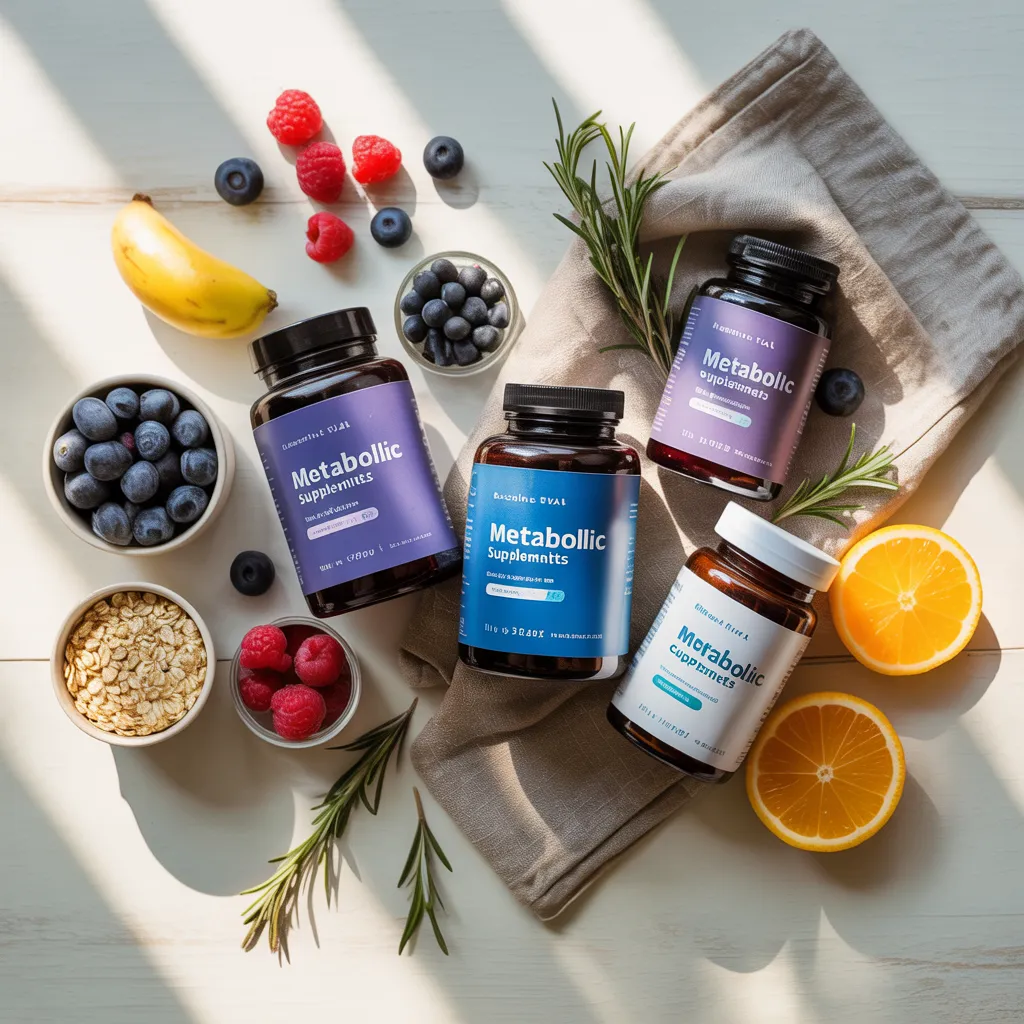
Where Berberine Comes From
Berberine, a biologically active substance derived from multiple plant species, carries a profound historical legacy embedded in conventional medicine. For hundreds of years, it has been employed especially within ancient Chinese and Ayurvedic traditions, where it was highly valued for its medicinal qualities. This substance is mainly derived from the root systems and bark of botanical species like Goldenseal and Barberry. Traditional records chronicle its employment in managing diverse medical conditions, encompassing infectious diseases, digestive complications, and inflammatory ailments. Additionally, it has been central to folklore, often associated with purifying and healing rituals. As interest in natural remedies has surged in modern times, berberine has gained attention for its potential health benefits, bridging the gap between ancient wisdom and contemporary health practices.
The Way Berberine Works in the Body
Operating as a strong regulator, berberine impacts numerous biochemical pathways in the body to support health. It predominantly exercises its effects by initiating an enzyme called AMP-activated protein kinase (AMPK), which serves a crucial function in cellular energy regulation. This activation produces improved glucose metabolism and improved fat oxidation. Moreover, berberine has been shown to affect the gut microbiota, encouraging a healthier balance of beneficial bacteria. It also shows anti-inflammatory properties by adjusting cytokine production, thereby reducing chronic inflammation. Furthermore, berberine can impact lipid metabolism, contributing to lower cholesterol and triglyceride levels. Collectively, its diverse mechanisms of action highlight berberine's important role in supporting metabolic health and homeostasis within the body.
Health Advantages of Berberine
Berberine has attracted interest for its possible health advantages, notably in glycemic regulation and its anti-inflammatory properties. Research suggests that it may help reduce glucose levels and enhance insulin sensitivity, making it a beneficial tool for those controlling diabetes. In addition, its capability to diminish inflammation could enhance overall health and wellness.
Blood Glucose Regulation
In what way can a natural compound like berberine greatly impact blood sugar levels? Research indicates that berberine enhances insulin sensitivity, which allows cells to more effectively use glucose. This process finally assists in lowering blood sugar levels, making it helpful for individuals with type 2 diabetes. Furthermore, berberine has been proven to lower glucose production in the liver, thereby contributing to its blood sugar-regulating properties. Studies refer now reveal that taking berberine can produce significant reductions in fasting blood glucose and HbA1c levels, markers crucial for evaluating long-term blood sugar control. Furthermore, its ability to influence gut microbiota may also play a role in improving metabolic health. Overall, berberine presents a promising natural alternative for managing blood sugar levels effectively.
Anti-Inflammatory Benefits
Studies show that berberine's advantages reach beyond blood sugar control, with notable anti-inflammatory properties contributing to overall health. Evidence suggests that berberine can block the production of pro-inflammatory cytokines, which play an essential role in the inflammatory response. By lowering inflammation, berberine may contribute to relieve symptoms connected to chronic inflammatory conditions, such as arthritis and cardiovascular diseases. In addition, its antioxidant properties even more enhance its anti-inflammatory capabilities, protecting cells from oxidative stress. This comprehensive approach not only fosters a healthier immune system but also encourages better metabolic function. As a result, incorporating berberine into a wellness regimen may deliver a natural strategy for managing inflammation and improving overall health outcomes.
Berberine and Blood Glucose Management
As people seek out natural alternatives for regulating blood sugar levels, berberine has surfaced as a potential compound. Research shows that berberine may aid in lowering blood glucose levels through several mechanisms. It is considered to increase insulin sensitivity, allowing cells to absorb glucose more effectively. Furthermore, berberine may block glucose production in the liver, further adding to its blood sugar-lowering effects. Scientific studies have revealed that berberine supplementation can generate considerable reductions in fasting blood sugar and HbA1c levels, markers typically used to measure long-term glucose control. Additionally, its potential to beneficially affect gut microbiota may also play a role in supporting metabolic health. In summary, berberine's diverse approach establishes it as an valuable option for those dealing with blood sugar concerns.
Side Effects and Key Considerations to Keep in Mind
Although berberine offers multiple health benefits, it is essential to assess its potential side effects and individual responses. Users may experience stomach problems, such as diarrhea, constipation, or stomach cramps, particularly when starting supplementation. Moreover, berberine can interact with particular medications, especially those influencing blood sugar levels or liver enzymes, requiring caution and consultation with healthcare providers. Expecting or nursing individuals should avoid berberine owing to inadequate safety data. Furthermore, prolonged effects of berberine supplementation remain unknown, requiring thoughtful consideration of dosage and duration. Individuals with existing health conditions must discuss usage with a medical practitioner to ensure safe integration. Overall, understanding these considerations can aid in making informed decisions concerning berberine supplementation.
Incorporating Berberine To Your Wellness Regimen
Incorporating berberine into a self-care routine requires thoughtful consideration of suitable dosage and potential dietary sources. Understanding the recommended daily intake can assist individuals enhance its benefits while minimizing risks. Furthermore, exploring natural food sources abundant in berberine can improve overall health.
Dosing Recommendations
When evaluating berberine as a supplement, knowing the proper dosage is essential for optimizing its potential health benefits. Typically, the recommended dosage of berberine varies from 900 to 2,000 milligrams per day, distributed into two or three doses to boost absorption. It is advisable to commence with a lower dose, such as 500 milligrams, to evaluate tolerance before progressively increasing to the desired amount. Consistency is important, as taking berberine with meals may boost its performance and decrease gastrointestinal side effects. Individuals should consult healthcare professionals before initiating berberine supplementation, especially if they are pregnant, breastfeeding, or taking medications, to verify safe and effective use in their wellness routine.
Nutritional Sources
For anyone wanting to add berberine into their wellness routine beyond supplementation, it is vital to explore natural dietary sources that contain this beneficial compound. Berberine is chiefly found in several plants, including the bark of the Phellodendron amurense tree and the roots of Hydrastis canadensis, typically known as goldenseal. Further sources include the Chinese herb Coptis chinensis and the Oregon grape, which holds berberine in its roots and stems. While these plants are not commonly consumed in large quantities, incorporating herbal teas or tinctures obtained from them may help elevate berberine intake. Moreover, some dietary supplements merge these herbal sources, providing an alternative route for those seeking to capitalize on berberine's properties through natural food sources and herbal preparations.
Common Questions
Is Berberine Compatible With Other Supplements or Medications?
Berberine can be taken with other supplements or medications, but caution is advised. It could interact with particular drugs, so speaking with a healthcare professional in advance of combining it with other therapies is recommended for safety.
What Berberine Dosage Should Beginners Take?
For beginners, a advised dosage of berberine generally ranges from 500 to 1,500 milligrams per day, divided into two to three doses. Consulting a healthcare professional is advisable to determine the appropriate dosage customized for individual needs.
Are There Any Food Restrictions When Taking Berberine?
When taking berberine, there are no rigid dietary restrictions; however, people are recommended to sustain a healthy diet and track their carbohydrate consumption, as it may influence blood sugar levels in certain situations.
How Much Time Is Needed to See Results From Berberine?
Generally, users may begin seeing results from berberine within four to eight weeks of steady use. Factors such as dosage, individual health conditions, and lifestyle can determine the timeline for experiencing observable effects.
Is It Safe for Pregnant or Breastfeeding Women to Take Berberine?
Berberine is usually not suggested for expectant or nursing mothers owing to limited safety research. Seeking advice from a healthcare provider is essential before thinking about using it during gestation or breastfeeding to guarantee both the safety of mother and baby.