Comprehending the Human Microbiome
The human microbiome comprises a extensive community of microorganisms that occupy various parts of the body. These microorganisms significantly impact digestion, immune responses, and even mental health. Understanding the factors that shape this complex ecosystem is essential. An imbalance in the microbiome can lead to numerous health issues. This raises important questions about how to maintain or restore this balance for better health outcomes. What implications does this have for one's overall wellness?
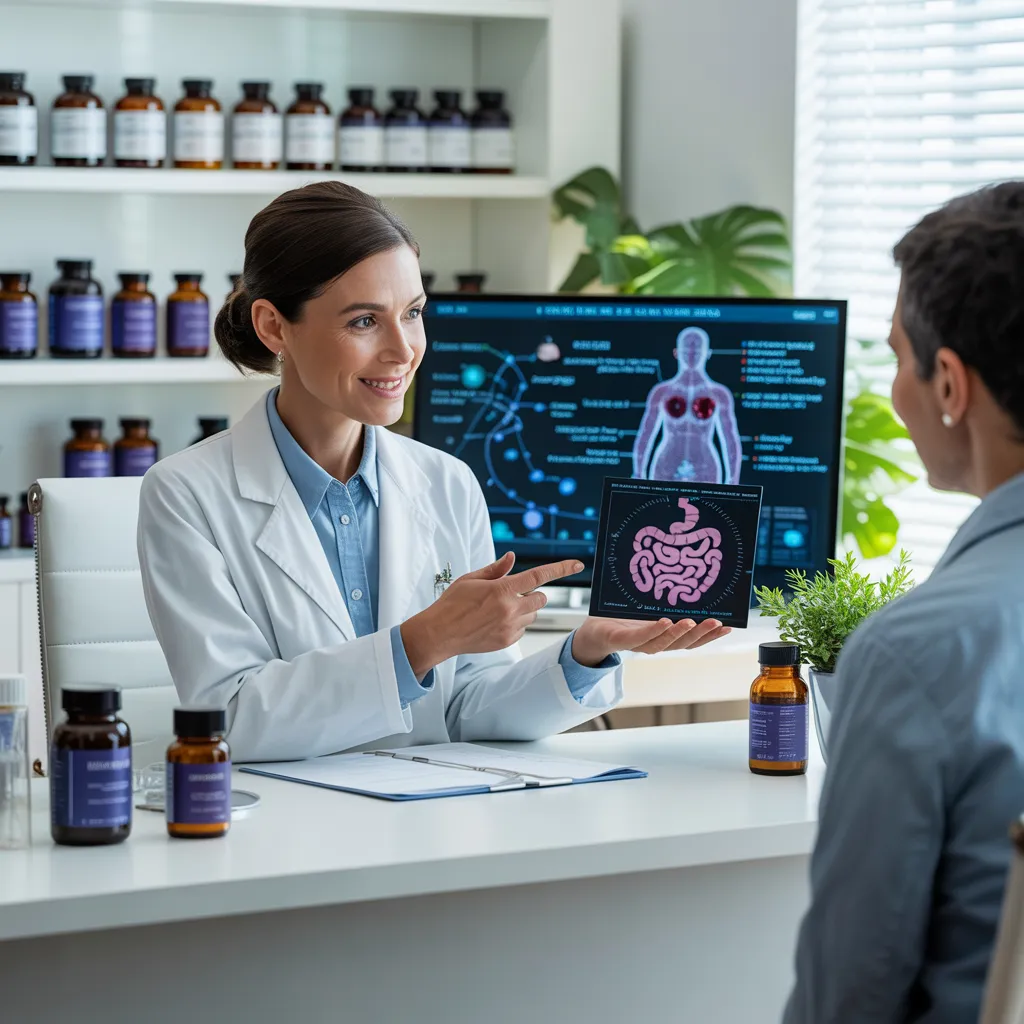
What Is the Microbiome?
The microbiome refers to the wide-ranging community of microorganisms, including bacteria, viruses, fungi, and protozoa, that occupy various environments within the human body. These microorganisms perform crucial roles in maintaining health, including assisting with digestion, producing vitamins, and guarding against pathogens. The composition of an individual's microbiome is influenced by various factors such as genetics, diet, environment, and lifestyle choices. Different regions of the body, such as the gut, skin, and oral cavity, host specific microbial communities, each with particular functions. Research has demonstrated that a balanced microbiome supports overall well-being, while imbalances may lead to health issues, including obesity, autoimmune disorders, and allergies. Understanding the microbiome is crucial for progressing personalized medicine and improving view now health outcomes.
Microbiome Development
An intricate combination of elements determines the development of the microbiome from birth through adulthood. From the beginning, the microbiome initiates its establishment during childbirth, shaped by the mode of delivery and the mother's microbiota. Subsequent exposure to the environment, including skin contact, breastfeeding, and interaction with caregivers, progressively enriches microbial populations. Diet plays a substantial role as infants progress from milk to solid foods, influencing the composition and function of gut microbiota. Additionally, geographic location, lifestyle, and antibiotic use lead to variations in microbiome development. As individuals advance into adulthood, these factors constantly interact with the immune system and overall health, reinforcing the dynamic nature of the microbiome throughout life and its essential function in maintaining well-being.
Understanding the Microbiome's Role in Digestion
Though commonly underestimated, the microbiome performs a crucial function in digestion by assisting with the breakdown of complex carbohydrates and creating essential nutrients. The diverse community of microorganisms in the gut, including bacteria, fungi, and archaea, supports the fermentation of dietary fibers, which the human body is incapable of digesting on its own. This fermentation process creates short-chain fatty acids, offering energy for colon cells and supporting gut health. Furthermore, certain gut bacteria are equipped to synthesizing important vitamins, such as B vitamins and vitamin K, which are critical for overall health. The microbiome also works to sustain a balanced digestive environment, inhibiting the overgrowth of harmful pathogens and ensuring efficient nutrient absorption. Therefore, the microbiome is vital for ideal digestive function.
Impact on Immunity
While often underestimated, the human microbiome profoundly shapes immune function by molding the body's immune responses and preserving homeostasis. The wide-ranging microbial communities dwelling in the gut and other body sites interact with immune cells, supporting the development and regulation of the immune system. These interactions help educate immune cells, empowering them to distinguish between harmful pathogens and benign substances. Additionally, beneficial microbes create metabolites, such as short-chain fatty acids, which strengthen immune health by modulating inflammation and enhancing barrier function. A balanced microbiome is essential; dysbiosis can lead to immune-related disorders, such as allergies and autoimmune diseases. Therefore, understanding the microbiome's role in immune regulation is vital for creating strategies to enhance health and ward off disease.
The Microbiome and Mental Health
Recent research uncovers a fascinating relationship between the microbiome and mental health, showing that the gut-brain axis plays a significant role in influencing emotional and cognitive functions. Studies indicate that gut bacteria generate neurotransmitters and metabolites that can affect mood and behavior. For instance, alterations in the gut microbiota have been linked to conditions such as anxiety and depression. Additionally, probiotics and dietary interventions designed to modulating the microbiome have shown encouraging results in alleviating symptoms of mental health disorders. This emerging field of psychobiotics explores how certain strains may enhance mental well-being. As researchers continue to discover these complex relationships, the potential for microbiome-based therapies in mental health treatment becomes progressively compelling, indicating a new frontier in psychological care.
FAQ
How Can I Improve My Microbiome Health?
To improve microbiome health, you should consume a diverse diet high in fiber, probiotics, and prebiotics. Consistent physical activity, quality sleep, and stress management also contribute positively to maintaining a well-balanced and robust microbiome.
Which Foods Are Most Beneficial for Gut Bacteria?
Fermented options such as yogurt, kimchi, and sauerkraut, combined with high-fiber choices such as whole grains, fruits, and vegetables, are regarded as beneficial for gut bacteria, encouraging a healthy and diverse microbiome.
Could Antibiotics Disrupt My Microbiome Equilibrium?
Yes, antibiotics can disturb microbiome balance by destroying both harmful and beneficial bacteria. This disruption can cause issues such as gastrointestinal issues and reduced immunity, highlighting the importance of controlling antibiotic use prudently.
Does a Link Exist Between Microbiome and Allergies?
Evidence points to a potential link between the microbiome and allergies, suggesting that an imbalance in microbial communities may impact immune responses. This relationship illustrates the necessity of maintaining a healthy microbiome for allergy prevention and management.
How Does the Aging Process Affect Microbiome Composition?
Aging alters the composition of the microbiome by decreasing both microbial diversity and abundance. Older individuals frequently show greater amounts of harmful bacteria and lower levels of advantageous microorganisms, which may influence immunity and general health, contributing to age-related diseases and conditions.